Input Tax Credit is probably the most valuable mechanism in GST for businesses, and also the one that creates the most compliance problems. Not because it's complex — the basic idea is simple. But because the details trip people up in ways that cost real money.
Here's the core idea: when your business buys something and pays GST on it, you can offset that GST against the GST you collect from your own customers. You only pay the government the net difference. This prevents the same goods from being taxed twice as they move through the supply chain.
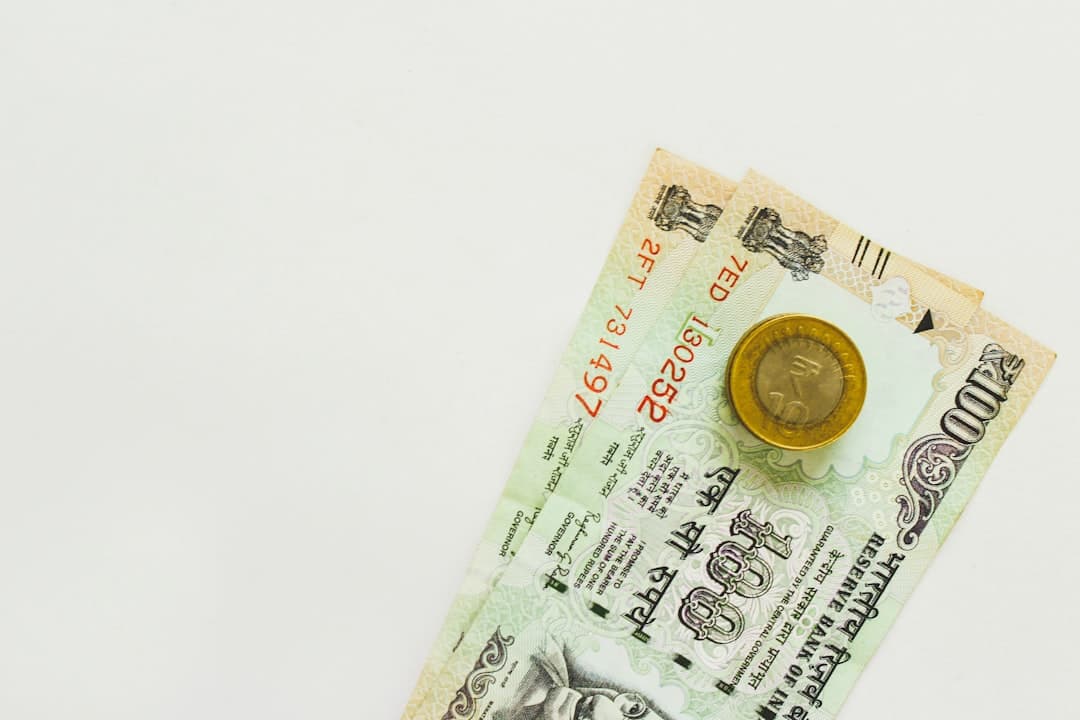
If you buy materials and pay ₹18,000 in GST, then collect ₹25,000 in GST on your sales, you pay ₹7,000 to the government — not ₹25,000. The ₹18,000 is your Input Tax Credit.
The four things that must all be true
To claim ITC on any purchase, four conditions have to be satisfied at the same time. You need a valid tax invoice from a registered supplier. You need to have actually received the goods or services. The supplier needs to have paid the tax and filed their GSTR-1. And you need to have filed your own return.
All four, simultaneously. Not three of the four. The one that most people run into trouble with is the third — the supplier has to have filed. Your purchase register doesn't help you. The invoice in your hand doesn't help you. If the supplier hasn't filed, the credit isn't there in GSTR-2B, and you can't claim it.
What GSTR-2B means for you practically
GSTR-2B is a static, monthly statement that gets generated around the 14th of each month. It shows all the ITC available to you based on what your suppliers have actually filed for the previous month.
This is the number you use when filing GSTR-3B. Not your purchase register. Not GSTR-2A (which updates dynamically and isn't the official basis for claims). GSTR-2B.
If a supplier files late and their invoice doesn't appear in your GSTR-2B for October, you defer that ITC to November's GSTR-2B. You don't estimate, you don't average — you wait for the actual filing.
The purchases you cannot claim on
Section 17(5) of the CGST Act specifically blocks ITC on certain categories. Motor vehicles for passenger transport (with specific exceptions), food and beverages, club memberships, health insurance for employees unless legally mandated, and works contract services for construction of immovable property.
The test for any questionable purchase: was this acquired for the direct purpose of your taxable business activity, and is it not on the blocked list? If both are yes, you can generally claim.
The 180-day rule most people forget
If you claim ITC on a purchase but don't pay the supplier within 180 days of the invoice date, you have to reverse that ITC and pay interest. When you eventually pay the supplier, you can re-claim.
This rule catches businesses that have long payment cycles or outstanding supplier dues. If your AP aging has invoices sitting beyond 150 days, check them — you're either approaching the reversal deadline or already past it.
Don't miss what's already yours
The main takeaway here is that ITC you're entitled to but don't claim is money you're overpaying. Every month. Monthly reconciliation of your purchase register against GSTR-2B, combined with a policy on blocked credits and supplier payment tracking, is what separates businesses that manage their GST cashflow from those that don't.